
Loading tool controls…
Your pathway plan.
Add each section of your pathway and see the total materials needed.
| Section | Length (m) | Width (m) | Target depth (cm) | Finished volume (m³) |
|---|
Calculator settings.
1.15 means 15% more loose volume, not 15% shrinkage. Confirm with your supplier.
Results.
Finished volume
0.556 m³Total for all sections
Loose volume
(before allowance)
Order volume
(with extra allowance)
Estimated order mass
1,074.192 kg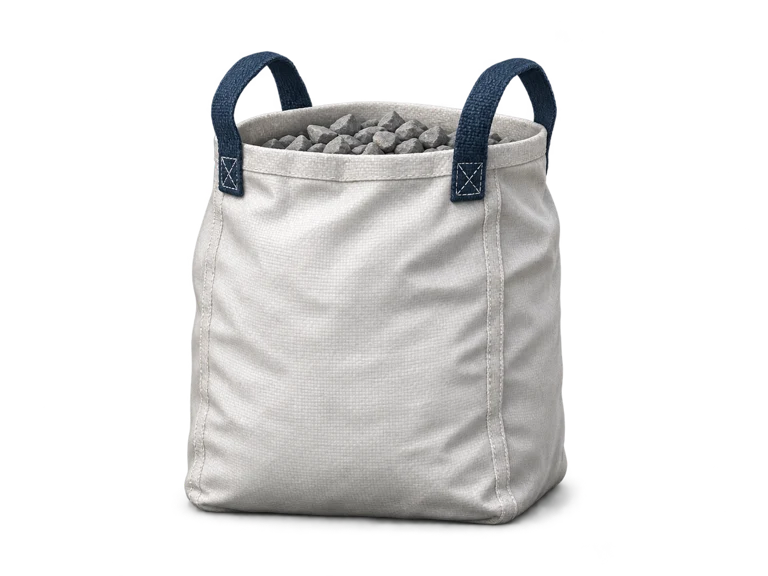
54 × 20 kg bags
1,080 kg5.808 kg above estimate
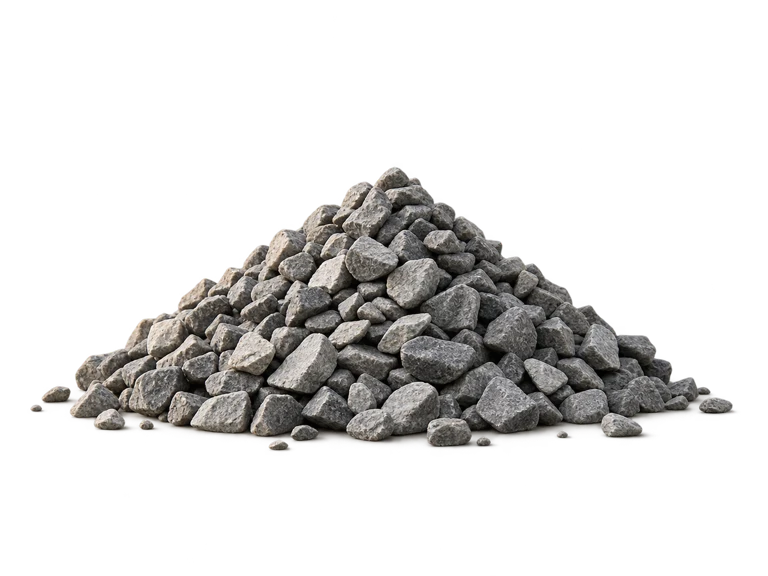
Bulk order
1.1 metric tonnesRound UP in 0.1 t steps
Make the most of your pathway plan.
Confirm the density.
Use your supplier's loose bulk density for the most accurate estimate.
Separate loose volume.
The multiplier covers loose volume. Extra allowance covers on-site wastage and top-ups.
Check supplier increments.
Order in full bags or your supplier's bulk increment to avoid under-ordering.
Questions, Answered.
What does the supplier loose-volume multiplier do?
It converts your finished installed volume into the loose volume to order. A multiplier of1.15 means15% more loose volume; confirm the appropriate factor with your supplier.
How much extra allowance should I add?
Choose an allowance for your own project. No universal allowance or installation depth is recommended.
Which bulk density should I use?
Use the supplier’s loose bulk density for your material. Density changes estimated mass, while dimensions determine volume.
Should I order bags or bulk?
The options round up independently: whole bags or the supplier’s bulk increment. Metric tonnes are1000kg; US short tons are2000lb.

FREE QUICK START GUIDE
Arrive with a clearer
supplier brief.
- Measure your area
- Keep volume and mass separate
- Confirm supplier assumptions